TOEFLIELTS
English
☰
All articles

Mastering IELTS Reading: Strategies for Skimming and Scanning

Eden ShaoAugust 8, 2024

Mastering IELTS Reading: Strategies for Skimming and Scanning

Introduction

Achieving a high band score in the IELTS Reading section requires more than just a strong vocabulary and understanding of grammar. It demands efficient reading strategies, time management, and the ability to quickly locate and comprehend information. Two pivotal techniques to excel in this section are skimming and scanning. This blog delves into these strategies, providing actionable tips and insights to help you navigate the IELTS Reading passages with confidence.

Understanding Skimming and Scanning

Skimming: Grasping the Gist

Skimming involves reading a passage rapidly to get a general overview of its content. Instead of focusing on every word, skimmers look for the main ideas, often by reading the first and last sentences of paragraphs and noting headings and subheadings.

Benefits of Skimming:

  • Quickly identifies the central theme of the passage.
  • Helps in answering questions related to the main idea or overall tone.
  • Saves time by reducing the need for detailed reading.

Scanning: Locating Specific Information
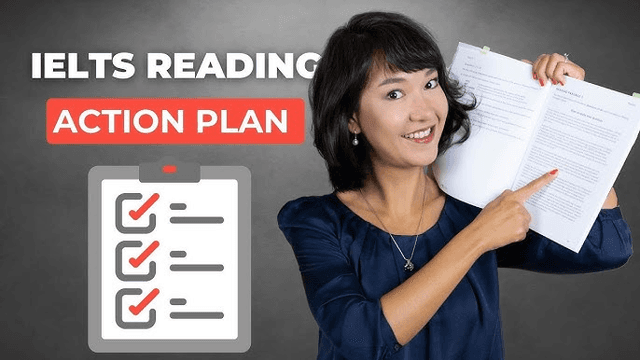
Scanning is a technique used to find particular details within a text, such as dates, names, or specific facts. This method involves moving your eyes quickly over the text to locate the desired information without reading everything.

Benefits of Scanning:

  • Efficiently finds answers to specific questions.
  • Minimizes time spent on irrelevant sections of the passage.
  • Enhances accuracy in locating precise details.

Effective Skimming and Scanning Techniques

1. Preview the Passage

Before diving into the questions, take a moment to glance through the passage. Read the title, headings, and any highlighted words. This initial overview sets the context and prepares you for the content.

2. Focus on Topic Sentences

In each paragraph, the first sentence often introduces the main idea. By reading these sentences, you can quickly understand the paragraph's purpose and relevance to the questions.

3. Highlight Keywords

While scanning, underline or highlight keywords in the questions. Then, look for these words or their synonyms in the passage to locate the relevant information swiftly.

4. Avoid Reading Word-for-Word

Resist the urge to read every word. Instead, train your eyes to move quickly across the text, picking up essential information and ignoring filler content.

5. Practice Regularly

Like any skill, proficiency in skimming and scanning comes with practice. Regularly engage with IELTS Reading materials to hone these techniques.

Time Management in IELTS Reading

Effective time management is crucial in the IELTS Reading section. With 60 minutes to answer 40 questions, allocating your time wisely can make a significant difference.

Recommended Time Allocation:

  • First Passage: 20 minutes
  • Second Passage: 20 minutes
  • Third Passage: 20 minutes

This allocation allows you to spend approximately one minute per question, leaving time for review.

Tips for Managing Time:

  • Start with the passage you find easiest to build confidence.
  • Skip difficult questions and return to them if time permits.
  • Regularly practice under timed conditions to simulate the actual test environment.

Common Mistakes to Avoid

  • Over-Reading: Spending too much time on a single question or passage can waste valuable time.
  • Ignoring Instructions: Always read the instructions carefully to understand what is being asked.
  • Skipping Questions: Attempt every question, even if you have to guess. There is no penalty for incorrect answers.

Utilizing LingoLeap for IELTS Reading Preparation

LingoLeap offers a comprehensive platform to enhance your IELTS Reading skills. With features like AI-powered feedback, personalized practice tests, and detailed analytics, you can tailor your study plan to address your specific needs.

Key Features:

  • AI-Powered Mock Tests: Simulate real IELTS Reading tests to assess your performance.
  • Instant Feedback: Receive immediate insights into your strengths and areas for improvement.
  • Progress Tracking: Monitor your development over time and adjust your study plan accordingly.

By integrating LingoLeap into your preparation, you can adopt a strategic approach to mastering the IELTS Reading section.

Conclusion

Mastering skimming and scanning techniques, coupled with effective time management, can significantly enhance your performance in the IELTS Reading section. Regular practice, awareness of common pitfalls, and utilizing resources like LingoLeap will equip you with the tools needed to achieve your desired band score.

For more insights and resources on IELTS preparation, visit the LingoLeap Blog.
Keep Reading

Read more
How to Tackle Different Question Types in IELTS Reading

Tom • June 15, 2025

How to Tackle Different Question Types in IELTS Reading

Master the various question types in the IELTS reading test. Learn how to approach each type with effective strategies to increase your score.

Strategies for Effective TOEFL Reading

Lingoleap • February 26, 2024

Strategies for Effective TOEFL Reading

To enhance your reading speed for the TOEFL, a pivotal step is to expand your vocabulary. Familiarity with high-frequency words, their meanings, grammatical roles, and practical usage is essential. This highlights that the TOEFL demands an even more robust vocabulary and a stronger grasp of grammar from test-takers. Therefore, it's crucial to systematically compile and master these high-frequency terms commonly found in TOEFL reading materials.

Understanding IELTS Reading Question Types and How to Approach Them

Eden Shao • August 20, 2024

Understanding IELTS Reading Question Types and How to Approach Them

Overview of IELTS Reading Question Types The IELTS Reading test comprises 40 questions spread across three passages, with a total duration of 60 minutes. The questions assess a range of reading skills, including skimming, scanning, detailed reading, and understanding inferences. Familiarity with the question types is crucial for effective preparation. Table: Common IELTS Reading Question Types Question Type Description Multiple Choice Choose the correct answer from a list of options. True/False/Not Given Determine if the statement agrees with the information in the passage. Matching Headings Match headings to the appropriate paragraphs. Matching Information Match statements to the correct paragraphs. Sentence Completion Complete sentences using words from the passage. Summary Completion Fill in gaps in a summary using words from the passage. Diagram Label Completion Label a diagram using information from the passage. Short Answer Questions Answer questions using words from the passage. Strategies for Each Question Type 1. Multiple Choice Approach: Read the Questions First: Before reading the passage, skim through the questions to understand what information to look for. Skim the Passage: Get a general idea of the content and structure. Scan for Keywords: Look for keywords or synonyms from the questions in the text. Eliminate Incorrect Options: Use the process of elimination to narrow down your choices. Tip: Be cautious of distractors that resemble the correct answer. yourenglishcompass.com +1 2. True/False/Not Given Approach: Understand the Statement: Ensure you fully understand the statement in the question. Locate the Information: Find the part of the text that relates to the statement. Compare Carefully: Decide if the statement is true, false, or not given based on the text. Tip: "Not Given" means that the statement neither agrees with nor contradicts the writer’s view or claim. ieltsliz.com +5 IELTS +5 IMS India +5 3. Matching Headings Approach: Read the Paragraphs First: Skim each paragraph to identify its main idea. Match Headings: Choose the heading that best summarizes the main idea of each paragraph. Tip: There are often more headings than paragraphs, so some headings will not be used. IELTS +1 4. Matching Information Approach: Identify Keywords: Identify keywords in the questions and locate them in the text. Understand Context: Understand the context of the information related to the keywords. Match Correctly: Match the information from the text with the questions given. Tip: Answers are not in the same order as the text. ieltsliz.com +3 yourenglishcompass.com +3 IELTS +3 5. Sentence Completion Approach: Read the Sentences: Understand the context of the sentences with gaps. Locate Information: Find the part of the text that provides the missing information. Fill in the Gaps: Complete the sentences using words from the passage. Tip: Pay attention to the word limit specified in the instructions. IMS India +1 6. Summary Completion Approach: Understand the Summary: Read the summary to grasp the main ideas. Locate Information: Find the relevant information in the passage. Fill in the Gaps: Complete the summary using words from the passage. Tip: The answers may not come in the same order as in the text. IELTS 7. Diagram Label Completion Approach: Understand the Diagram: Familiarize yourself with the diagram and its labels. Locate Information: Find the relevant information in the passage. Label the Diagram: Complete the labels using words from the passage. Tip: The diagram may represent a process or structure described in the text. IELTS 8. Short Answer Questions Approach: Read the Questions: Understand what information is being asked. Locate Information: Find the part of the text that answers the questions. Answer Briefly: Provide concise answers using words from the passage. Tip: Stick to the word limit given in the instructions. IMS India Time Management Tips Allocate Time Wisely: Spend approximately 20 minutes on each passage. Skim and Scan: Use skimming and scanning techniques to locate information quickly. Avoid Spending Too Much Time on One Question: If you're unsure, move on and return to the question later. Tip: Regular practice under timed conditions can help improve your time management skills. IMS India Utilizing LingoLeap for IELTS Reading Preparation LingoLeap offers a comprehensive platform to enhance your IELTS Reading skills. With features like AI-powered feedback, personalized practice tests, and detailed analytics, you can tailor your study plan to address your specific needs. Key Features: AI-Powered Mock Tests: Simulate real IELTS Reading tests to assess your performance. Instant Feedback: Receive immediate insights into your strengths and areas for improvement. Progress Tracking: Monitor your development over time and adjust your study plan accordingly. By integrating LingoLeap into your preparation, you can adopt a strategic approach to mastering the IELTS Reading section. Conclusion Understanding the various IELTS Reading question types and implementing effective strategies can significantly enhance your performance. Regular practice, awareness of common pitfalls, and utilizing resources like LingoLeap will equip you with the tools needed to achieve your desired band score. For more insights and resources on IELTS preparation, visit the LingoLeap Blog

Related reading

More guides on the same part of the test.